In This Article
Every September, Canadian parents spend an average of $500 per child on back-to-school shopping. Most of those supplies? You guessed it—plastic. From disposable pens to synthetic lunch bags, traditional school supplies contribute to the estimated 130 kilograms of plastic waste each Canadian discards annually, according to Statistics Canada’s 2021 data.
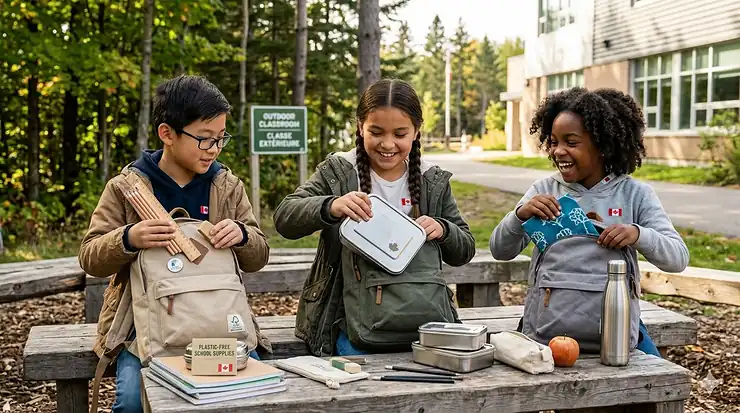
But here’s the thing: making the switch to plastic-free school supplies doesn’t mean sacrificing quality or breaking the bank. In fact, many eco-friendly alternatives outlast their plastic counterparts by years, saving you money in the long run whilst reducing your environmental footprint. Whether you’re shopping for a kindergartener in Toronto or a university student in Vancouver, this guide will walk you through the best plastic-free options available across Canada in 2026.
The movement towards sustainable student lifestyles isn’t just a trend—it’s becoming a necessity. With Canada’s commitment to zero plastic waste by 2030, choosing reusable, compostable, and package-free supplies aligns with both federal initiatives and provincial environmental programmes. Let’s explore how you can equip your student with supplies that are better for them, better for your wallet, and infinitely better for our planet.
Quick Comparison Table: Top Plastic-Free School Supplies
| Product Category | Best Option | Price Range (CAD) | Durability | Eco-Rating |
|---|---|---|---|---|
| Reusable Notebook | Rocketbook Smart Notebook | $29.99-$49.99 | 1000+ uses | ⭐⭐⭐⭐⭐ |
| Pencil Sharpener | STAEDTLER Metal Sharpener | $5.99-$12.99 | Lifetime | ⭐⭐⭐⭐⭐ |
| Lunch Wrap | Abeego Beeswax Wraps | $23.94-$34.99 | 1+ year | ⭐⭐⭐⭐⭐ |
| Lunch Container | Bentgo Stainless Steel | $37.49-$53.99 | 5+ years | ⭐⭐⭐⭐⭐ |
| Writing Pen | Bamboo Refillable Pen | $14.99-$29.99 | 2+ years | ⭐⭐⭐⭐ |
| Eraser | STAEDTLER Mars Plastic (Vinyl) | $7.99-$15.99 | 6+ months | ⭐⭐⭐⭐ |
| Pencil Case | Organic Cotton Canvas | $12.99-$24.99 | 3+ years | ⭐⭐⭐⭐⭐ |
💬 Just one click – help others make better buying decisions too!😊
✨ Don’t Miss These Exclusive Deals!
🔍 Take your sustainable school year to the next level with these carefully selected products available in Canada. Click on any highlighted item to check current pricing and availability on Amazon.ca. These tools will help you create authentic eco-friendly habits your family will love!
Top 7 Plastic-Free School Supplies: Expert Analysis
1. Rocketbook Smart Reusable Notebook – The Digital-Age Classic
For students who take mountains of notes but hate wasting paper, the Rocketbook Smart Reusable Notebook is quite possibly the cleverest invention since the pencil eraser. This ingenious notebook lets you write, scan, and upload your notes to cloud storage, then wipe the pages clean with a damp cloth and start fresh.
Key Specifications:
- Available in Executive (6″ x 8.8″), Letter (8.5″ x 11″), and Mini (3.5″ x 5.5″) sizes
- Includes Pilot FriXion pen and microfiber cloth
- Compatible with Google Drive, Dropbox, Evernote, and more
- Made from synthetic paper that feels like real paper
Price: $29.99 – $49.99 CAD depending on size
Canadian Availability: In stock on Amazon.ca with free shipping for Prime members
Canadian buyers consistently praise the Rocketbook’s durability and functionality. One Toronto teacher noted: “I’ve used mine daily for two years, and it still looks brand new. My students are amazed when I erase yesterday’s lesson plan right in front of them.”
✅ Pros:
- Replaces hundreds of traditional notebooks
- App integration makes organization effortless
- Perfect for visual learners who need to keep digital copies
❌ Cons:
- Requires specific Pilot FriXion pens (though they’re readily available)
- Initial learning curve with the scanning app
2. STAEDTLER Metal Double-Hole Sharpener – Built Like a Tank
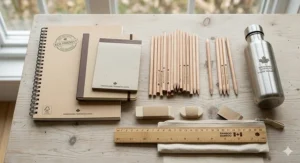
Forget those flimsy plastic sharpeners that break after a week. The STAEDTLER Metal Double-Hole Sharpener is the kind of tool your grandchildren will inherit. This German-engineered marvel features precision blades that create perfect points without breaking pencil leads.
Key Specifications:
- Dual holes for standard and large pencils
- Screw-on lid prevents accidental openings
- Durable all-metal construction
- Compact size (fits in any pencil case)
Price: $5.99 – $12.99 CAD
Canadian Availability: Widely available on Amazon.ca, usually ships within 1-2 days
Canadian parents report these sharpeners lasting through entire school careers. A Vancouver mother shared: “We bought this when my daughter started Grade 1. She’s now in Grade 8 and still using the same sharpener. Best $7 we ever spent.”
✅ Pros:
- Virtually indestructible construction
- Creates consistently sharp points
- Significantly cheaper than electric sharpeners over time
❌ Cons:
- Heavier than plastic alternatives (but that’s what makes it durable)
- Needs occasional blade cleaning for optimal performance
3.Abeego Beeswax Food Wrap
– Canadian-Made Lunch Innovation
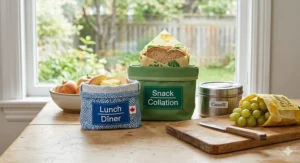
Handcrafted right here in Canada, Abeego Beeswax Food Wraps are the sustainable answer to plastic sandwich bags and cling film. These beautifully designed wraps use the natural antibacterial properties of beeswax to keep food fresh whilst being completely compostable at end of life.
Key Specifications:
- Set includes 7″, 10″, and 13″ square sheets
- Made with 100% Canadian beeswax and organic cotton
- Naturally antibacterial and breathable
- Reusable for up to 1 year with proper care
Price: $23.94 – $34.99 CAD per set
Canadian Availability: Available on Amazon.ca and ships free with Prime
Founded in 2008, Abeego was the world’s first beeswax food wrap company. Canadian customers particularly appreciate the local manufacturing. One Calgary reviewer noted: “These wraps keep my kids’ sandwiches fresh all morning, and washing them takes about 10 seconds under cold water.”
✅ Pros:
- Completely Canadian-made supporting local economy
- Works for cheese, vegetables, bread, and sandwiches
- Beautiful natural aesthetic kids actually enjoy using
❌ Cons:
- Cannot be used with hot foods or in microwave
- Requires gentle hand-washing in cool water
4. Bentgo Kids Stainless Steel Lunch Box – The Lunchtime Game-Changer
The Bentgo Kids Stainless Steel Lunch Box transforms lunch packing from a daily chore into a creative opportunity. With its cleverly designed compartments and leak-resistant seals, this lunch box keeps different foods separate whilst being entirely free of plastic materials.
Key Specifications:
- Food-grade 18/8 stainless steel construction
- 3-4 compartments (depends on silicone divider use)
- Dishwasher safe (top rack recommended)
- Total capacity: 4 cups (ideal for ages 3-7)
Price: $37.49 – $53.99 CAD
Canadian Availability: In stock on Amazon.ca with various colour options
Canadian parents report dramatic reductions in lunch waste after switching to Bentgo. A Montreal father shared: “We used to go through a box of plastic bags every two weeks. Now? Zero. The compartments are perfect for packing balanced meals without cross-contamination.”
✅ Pros:
- Eliminates need for disposable containers and bags
- Built to last through entire school career
- Kids love the compartmentalised design
❌ Cons:
- Higher upfront cost than plastic alternatives
- Not suitable for very hot foods (it’s not insulated)
5. Original Bamboo Fountain Pen with Refillable Converter – Writing Elevated
For older students who’ve mastered cursive or enjoy journaling, the Original Bamboo Fountain Pen offers a sustainable alternative to disposable ballpoints. Each pen features a unique natural bamboo grain, making it a one-of-a-kind writing instrument.
Key Specifications:
- Pure black bamboo body with natural grain
- Seiko stainless steel broad nib (0.5mm writing width)
- Vacuum piston ink storage structure
- Ergonomic 0.4-inch pen grip
Price: $14.99 – $29.99 CAD
Canadian Availability: Ships to Canada via Amazon.ca, delivery within 5-10 business days
Canadian students appreciate the smooth writing experience and environmental benefits. A university student in Halifax reported: “I’ve used mine for two semesters of note-taking. The bamboo feels warm and comfortable, unlike cold plastic pens. Plus, I can refill it with any colour ink I want.”
✅ Pros:
- Beautiful, unique natural appearance
- Refillable design eliminates plastic pen waste
- Smooth writing experience improves handwriting
❌ Cons:
- Requires learning proper fountain pen technique
- Ink cartridges or bottle needed (sold separately)
6. Mr. Pen Handheld Metal Pencil Sharpener – Budget-Friendly Excellence
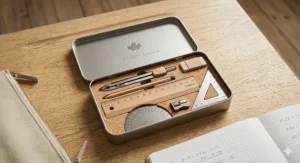
When you need multiple sharpeners for different locations (backpack, desk, art kit), the Mr. Pen Handheld Metal Sharpener delivers exceptional value. This 6-pack provides durable metal sharpeners at a fraction of the cost of buying them individually.
Key Specifications:
- Pack of 6 high-quality metal sharpeners
- Dual holes for standard and jumbo pencils
- Compact handheld design
- Assorted colours for easy identification
Price: $5.56 CAD for 6-pack
Canadian Availability: Ships free with Amazon.ca Prime
Teachers across Canada stock these in their classrooms. One Edmonton teacher noted: “I keep one in my desk, students have them in pencil cases, and there’s always a spare. At less than $1 each, they’re incredibly practical for classroom settings.”
✅ Pros:
- Unbeatable value for bulk purchase
- Perfect for families with multiple children
- Colour variety helps prevent mix-ups
❌ Cons:
- Slightly smaller than premium single sharpeners
- Basic design without lid (shavings fall into pencil case)
7. Bee’s Wrap Assorted 3-Pack – The American Classic in Canada
Whilst Abeego holds the title of first beeswax wrap company, Bee’s Wrap has earned its reputation through consistent quality and wider variety. This eco-friendly alternative to plastic wrap works beautifully for school lunches, snacks, and keeping baked goods fresh.
Key Specifications:
- Set includes 1 small, 1 medium, 1 large wrap
- Made with organic cotton, beeswax, jojoba oil, and tree resin
- GOTS certified organic materials
- Reusable for up to 1 year
Price: $16.99 CAD per set
Canadian Availability: Available on Amazon.ca with Prime shipping
The wraps have earned over 11,000 reviews on Amazon, with Canadian customers particularly praising their versatility. A British Columbia parent shared: “These wraps mould perfectly around sandwiches using just the warmth of your hands. My kids actually prefer them to plastic bags now.”
✅ Pros:
- Certified organic materials ensure safety
- Excellent variety of sizes in one pack
- Widely available across Canada
❌ Cons:
- Slightly less durable than Abeego (based on user reports)
- Requires replacement after 12-18 months of daily use
Understanding the Circular Economy in School Supplies
The concept of circular economy school supplies represents a fundamental shift from the traditional “take-make-dispose” model. Instead of buying cheap plastic items destined for landfills, circular economy thinking encourages choosing products designed for longevity, repair, and eventual return to the earth or recycling stream.
The circular economy works on three core principles: designing out waste and pollution, keeping products and materials in use, and regenerating natural systems. When applied to school supplies, this means selecting items made from renewable materials like bamboo and organic cotton, choosing reusable alternatives to disposable products, and opting for items that can be composted or recycled at end of life.
Canada’s federal government has embraced circular economy principles through its Zero Plastic Waste initiative. According to Environment and Climate Change Canada’s 2024 report, keeping plastics in use within the economy whilst preventing environmental pollution requires collaborative efforts from manufacturers, retailers, and consumers.
For families, this translates into practical choices. Instead of buying a new pack of disposable pens each term, invest in refillable pens. Rather than purchasing single-use lunch bags weekly, choose beeswax wraps or stainless steel containers that last for years. These decisions collectively create significant environmental impact whilst often saving money over time.
Comparing Benefits: Plastic-Free vs Traditional Alternatives
| Aspect | Plastic-Free Supplies | Traditional Plastic Supplies |
|---|---|---|
| Durability | Last 3-10+ years typically | Often break within months |
| Cost (5 years) | $200-300 initial, minimal replacement | $150/year = $750 total |
| Environmental Impact | Minimal waste, often compostable | Contributes to 130kg/person annually |
| Health Safety | No BPA, phthalates, or microplastics | May contain harmful chemicals |
| Repairability | Can often be mended or parts replaced | Usually disposal-only when broken |
| End of Life | Compostable or recyclable materials | Landfill or incineration |
Metal Pencil Sharpener vs Plastic: The Lifetime Value Analysis
When comparing a metal pencil sharpener to plastic alternatives, the mathematics are compelling. A quality metal sharpener like the STAEDTLER costs approximately $8 CAD and lasts indefinitely with proper care. In contrast, plastic sharpeners typically cost $2-3 CAD but need replacement every 3-6 months due to blade dulling or housing cracks.
Over a student’s K-12 education (13 years), here’s the breakdown:
Metal Sharpener Investment:
- Initial purchase: $8 CAD
- Replacement needs: None (or perhaps one backup)
- Total 13-year cost: $8-16 CAD
Plastic Sharpener Route:
- Initial purchase: $3 CAD
- Replacements needed: 26 sharpeners (2 per year minimum)
- Total 13-year cost: $78 CAD
- Environmental impact: 26 plastic items in landfill
Beyond the financial savings of approximately $60-70 CAD, the environmental benefits include eliminating 26 pieces of plastic waste and avoiding the manufacturing emissions associated with producing two dozen disposable products. Metal sharpeners also provide superior sharpening quality, creating cleaner pencil points that require less frequent resharpening.
The same principle applies to most durable alternatives. Whilst the upfront cost appears higher, the lifetime value significantly exceeds cheaper disposable options whilst dramatically reducing environmental impact.
Beeswax Lunch Wrap vs Plastic Bags: A Canadian Comparison
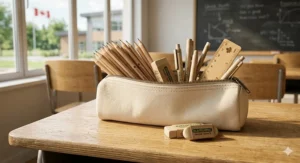
Beeswax wraps represent one of the most practical swaps in the zero waste student lifestyle. Let’s examine the comparison specifically for Canadian families:
Traditional Plastic Sandwich Bags:
- Cost: Approximately $4.99 CAD for 50 bags
- Usage rate: 1-2 bags per school day (200 school days/year)
- Annual cost: $19.96 – $39.92 CAD
- 5-year elementary school cost: $99.80 – $199.60 CAD
- Environmental impact: 400-1000 plastic bags in landfill per child
Beeswax Wraps (Set of 3):
- Initial cost: $23.94 CAD (Abeego) or $16.99 CAD (Bee’s Wrap)
- Lifespan: 12-18 months with daily use
- Replacement needed: 3-4 times over 5 years
- 5-year cost: $67.88 – $95.76 CAD (Abeego) or $50.97 – $67.96 CAD (Bee’s Wrap)
- Environmental impact: 3-4 compostable wraps (minimal)
The financial comparison reveals that beeswax wraps cost approximately 50-75% of plastic bags over five years whilst producing nearly zero waste. Many Canadian families report their wraps lasting longer than expected with proper care, further improving the value proposition.
Beyond economics, beeswax wraps offer health advantages. They contain no BPA or phthalates found in some plastic bags, and their breathable nature keeps food fresher longer. The natural antibacterial properties of beeswax mean less food waste from spoilage—an additional environmental and financial benefit.
Refillable Pen vs Disposable: Breaking Down the Numbers
The writing instrument category offers one of the clearest examples of how reusable systems outperform disposable alternatives. Consider a typical Canadian high school student:
Disposable Ballpoint Pens:
- Average cost: $0.50 – $1.00 CAD per pen
- Usage rate: 6-8 pens lost or dried out per semester
- Annual cost (2 semesters): $6.00 – $16.00 CAD
- 4-year high school cost: $24.00 – $64.00 CAD
- Environmental impact: 24-32 plastic pens in landfill
Refillable Bamboo Fountain Pen:
- Initial cost: $19.99 – $29.99 CAD
- Ink bottle (60ml): $8.99 CAD (lasts 1-2 years)
- 4-year cost: $29.99 + $26.97 (3 ink bottles) = $56.96 CAD
- Environmental impact: 1 compostable pen body, 3 recyclable glass bottles
Whilst the refillable option costs slightly more in this scenario, several factors shift the equation in its favour. Students report losing refillable pens far less frequently because of their perceived value and distinctive appearance. Additionally, fountain pens improve handwriting quality and make writing more enjoyable—benefits difficult to quantify financially but significant for academic performance.
For university students or professionals who write extensively, the economics become even more favourable. A quality refillable pen can last decades with minimal maintenance, whilst disposable pens require constant repurchasing.
Package-Free Supplies: Shopping Strategies for Canadian Families
Finding truly package-free school supplies in Canada requires strategic shopping, but the landscape has improved dramatically in recent years. Here’s how to navigate the options:
Local Bulk Stores and Refilleries: Cities like Vancouver, Toronto, Montreal, and Calgary now host numerous bulk stores where you can purchase items like elastics, paper clips, and basic stationery without packaging. Bring your own containers and buy exactly the quantity needed. This approach eliminates both product packaging and excess inventory.
Farmers Markets and Craft Fairs: Canadian artisans frequently sell handmade beeswax wraps, fabric pencil cases, and wooden rulers at local markets. These purchases support local economy whilst avoiding the packaging associated with mass-produced items. Many vendors offer repair services, extending product lifespans indefinitely.
Online Retailers Specialising in Zero-Waste: Several Canadian e-commerce platforms now focus exclusively on package-free or minimal-packaging supplies. Look for companies using compostable mailers and paper tape instead of plastic packaging. The environmental cost of shipping must be balanced against bulk purchasing to maximise efficiency.
School Supply Swaps: Organise exchanges within your school community. One family’s outgrown geometry set becomes another student’s perfect fit. These swaps eliminate unnecessary new purchases whilst building community connections. Many Canadian schools now host annual swap events each September.
Making Your Own: Simple supplies like fabric pencil cases, reusable snack bags, and even basic bookmarks can be sewn at home from repurposed materials. This approach costs virtually nothing whilst teaching children valuable repair and creation skills.
The key to successful package-free shopping lies in planning ahead. Last-minute purchases often necessitate accepting whatever packaging is available, whilst early preparation allows time to source package-free alternatives.
Compostable School Products: What Actually Breaks Down
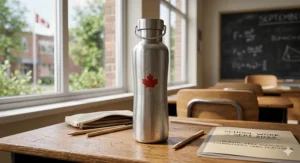
The term “compostable” appears frequently on eco-friendly school supplies, but understanding what truly breaks down requires examining the nuance behind marketing claims. In Canada, products labelled compostable should meet specific standards, though enforcement varies by province.
Genuinely Compostable Items:
- Natural beeswax wraps (cotton, beeswax, jojoba oil, tree resin)
- Bamboo pens and pencils without plastic components
- Wooden rulers and measuring tools (untreated wood)
- Natural rubber erasers (without synthetic additives)
- Organic cotton pencil cases and bags
Items Requiring Industrial Composting:
- “Biodegradable” plastics (PLA-based products)
- Some paper products with coatings
- Hybrid materials combining natural and synthetic components
Misleading “Eco-Friendly” Items:
- Plastic products labelled “degradable” (these break into microplastics)
- Items with small compostable components but plastic cores
- Products claiming to be “eco” based solely on recycled content
For Canadian families, backyard composting works beautifully for truly natural items like worn-out beeswax wraps, broken bamboo pens, and fabric pencil cases. Industrial composting facilities, available in many Canadian municipalities, can handle more complex items, though checking with your local facility about accepted materials is essential.
The most sustainable approach involves choosing items designed for longevity first, with compostability as the end-of-life consideration. A metal pencil sharpener that lasts 20 years outperforms a “compostable” plastic one needing replacement every six months, even if the latter technically breaks down.
Zero Waste Student Lifestyle: Beyond School Supplies
Building a comprehensive zero waste student lifestyle extends beyond choosing eco-friendly pencils and notebooks. It encompasses daily habits, purchasing decisions, and systems thinking about consumption patterns.
Morning Routine Essentials: Replace disposable breakfast items with reusable alternatives. Instead of individual juice boxes, use a stainless steel water bottle filled from home. Breakfast bars in individual plastic wrappers give way to homemade granola bars wrapped in beeswax wraps. These small changes eliminate dozens of pieces of plastic waste weekly.
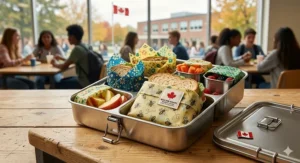
Lunch Packing Systems: Complete lunch systems eliminate virtually all disposable packaging. A stainless steel lunch container holds the main meal, beeswax wraps secure sandwiches or snacks, a cloth napkin replaces paper napkins, and reusable cutlery eliminates plastic utensils. Canadian students report classmates becoming curious about their zero-waste lunches, creating ripple effects.
After-School Activities: Sports and extracurriculars generate significant waste through disposable water bottles, snack packaging, and equipment. Bringing refillable bottles to practices, choosing package-free snacks, and selecting durable equipment over cheap disposable alternatives maintains the zero-waste commitment beyond school hours.
Study and Homework Practices: Digital note-taking and reusable notebooks like Rocketbook dramatically reduce paper consumption. When paper is necessary, choose recycled options and save single-sided pages for scrap paper. Sharing digital documents instead of printing creates massive paper savings across an academic year.
School Project Approaches: Encourage children to choose project materials wisely. Cardboard from the recycling bin, fabric scraps from old clothes, and natural materials from outdoors replace trips to craft stores for new plastic-packaged supplies. These projects often score better because of their creative reuse whilst teaching valuable resourcefulness.
The zero waste student lifestyle isn’t about perfection—it’s about progress. Every disposable item replaced with a reusable alternative represents improvement, and the cumulative effect of small changes across thousands of Canadian students creates substantial environmental impact.
Price Range & Value Analysis
| Price Category | Products | Initial Investment | 5-Year Cost | Best For |
|---|---|---|---|---|
| Budget ($50-100) | Basic metal sharpeners, single beeswax wrap, one lunch container | $50-75 CAD | $80-120 CAD | Starting zero-waste journey |
| Mid-Range ($150-300) | Rocketbook notebook, quality lunch system, multiple wraps, refillable pens | $175-225 CAD | $225-350 CAD | Comprehensive school setup |
| Premium ($400-500) | Complete PlanetBox system, Abeego wraps, luxury fountain pens, organic cotton accessories | $425-475 CAD | $525-675 CAD | Maximum durability & style |
| Comparison: Traditional | Plastic equivalents replaced annually | $100-150/year | $500-750 total | Ongoing environmental cost |
The value analysis reveals that even premium plastic-free options typically cost less over five years than repeatedly replacing cheap plastic alternatives. Beyond financial savings, these investments eliminate hundreds of pieces of plastic waste whilst often providing superior functionality and aesthetics.
For Canadian families on tight budgets, prioritise high-impact swaps first. Metal sharpeners and beeswax wraps offer immediate waste reduction at minimal cost. As budget allows, gradually build towards comprehensive zero-waste supplies.
How to Choose Plastic-Free School Supplies in Canada
Navigating the plastic-free school supplies market in Canada requires understanding several key factors that separate genuine eco-friendly products from greenwashing marketing.
Step 1: Verify Material Authenticity
Examine product descriptions carefully for specific material listings. True plastic-free items explicitly state “100% bamboo,” “stainless steel,” “organic cotton,” or similar. Be wary of vague terms like “eco-friendly” without material specifications, as these often indicate plastic content.
Step 2: Check Canadian Availability
Confirm products ship to Canada and review shipping times. Some eco-friendly items ship from overseas with extended delivery periods. For back-to-school shopping, order at least 3-4 weeks before September to ensure arrival.
Step 3: Read Canadian Customer Reviews
Prioritise reviews from Canadian buyers specifically. Climate differences affect certain products—beeswax wraps, for instance, may behave differently in Calgary’s dry winter versus Vancouver’s humid climate. Canadian reviews provide relevant performance insights.
Step 4: Calculate True Lifetime Cost
Compare the five-year cost of reusable items against repeatedly purchasing disposable alternatives. Include replacement costs for items with limited lifespans, like beeswax wraps needing renewal annually.
Step 5: Assess Repair and Replacement Options
Determine whether replacement parts are available. Can the lunch container’s seal be replaced if damaged? Are pen refills readily available in Canada? Products supporting repair extend usable life significantly.
Step 6: Consider Your Child’s Age and Responsibility
Younger children may need simpler, more durable options. Older students can manage items requiring more care, like fountain pens. Match product complexity to your child’s developmental stage for maximum success.
Step 7: Verify Compostability Claims
If end-of-life disposal matters to you, confirm composting requirements. Can items go in backyard compost, or do they need industrial composting? Check whether your municipality accepts the materials.
Making the Transition: Month-by-Month Guide
Months 1-2: Assessment and Planning Inventory existing supplies and identify what needs replacement versus what can continue being used. Dispose of nothing until necessary—using what you have remains more sustainable than buying new “eco-friendly” alternatives. Create a priority list based on what gets replaced most frequently.
Months 3-4: High-Impact Swaps Begin with items offering immediate waste reduction: reusable lunch containers, beeswax wraps, and metal sharpeners. These changes eliminate daily disposable consumption whilst being budget-friendly. Your child becomes accustomed to caring for reusable items.
Months 5-6: Building the System Add complementary items like reusable notebooks, refillable pens, and fabric pencil cases. The initial high-impact changes create momentum, making additional swaps feel natural rather than overwhelming. Share successes and challenges with family to maintain enthusiasm.
Months 7-12: Fine-Tuning and Expansion Evaluate what’s working well and what needs adjustment. Replace items that didn’t meet expectations with better alternatives. Expand into adjacent areas like zero-waste packed snacks and reusable art supplies. By year’s end, most disposable school supplies have been eliminated.
This gradual approach prevents overwhelm whilst allowing time to find products perfectly suited to your family’s needs. Rushing to replace everything simultaneously often leads to buyer’s remorse and abandoned sustainability efforts.
Frequently Asked Questions
❓ How much money do plastic-free school supplies save Canadian families over time?
❓ Are beeswax wraps safe for Canadian winters and summer heat?
❓ What's the best reusable notebook system for Canadian university students?
❓ Where can I buy plastic-free school supplies in rural Canada?
❓ Do metal pencil sharpeners work with all pencil brands available in Canada?
Conclusion: Building a Sustainable Student Future
The journey towards plastic-free school supplies isn’t about achieving perfection overnight—it’s about making thoughtful choices that align with both environmental responsibility and practical family needs. Every reusable lunch container replaces hundreds of plastic bags. Each metal sharpener prevents dozens of plastic ones from reaching Canadian landfills. These individual decisions collectively create the systemic change Canada needs to meet its 2030 zero plastic waste goals.
For Canadian families, the transition offers benefits extending beyond environmental impact. Children learn valuable lessons about sustainability, resource management, and creative problem-solving. Financial savings accumulate as durable items replace disposable purchases. Family routines become intentional rather than automatic, creating opportunities for meaningful conversations about consumption and environmental stewardship.
As you prepare for the 2026 school year, remember that progress matters more than perfection. Start with one or two high-impact swaps, experience success, and build from there. The plastic-free school supplies market in Canada continues expanding, with more options and better prices emerging annually. Your early adoption paves the way for others whilst demonstrating to manufacturers that Canadian families value sustainable alternatives.
The future our children inherit depends significantly on the choices we make today. Plastic-free school supplies represent one tangible way to create positive change whilst equipping students for academic success. Here’s to a school year characterised by learning, growth, and environmental responsibility.
Recommended for You
- 7 Best Times to Buy School Supplies Canada Clearance 2026
- 7 Complete First Semester University Supplies Canada 2026
- 7 Must-Have Grade 12 Final Exam Supplies Ontario Students Need in 2026
Disclaimer: This article contains affiliate links to Amazon.ca. If you purchase products through these links, we may earn a small commission at no additional cost to you.
✨ Found this helpful? Share it with your friends! 💬🤗
