
In This Article
Canadian winters aren’t just cold—they’re downright brutal on school supplies. I’ve watched countless students walk into classrooms with soggy notebooks, frozen zippers, and lunch bags that couldn’t handle a -25°C morning commute. If you’re a parent in Canada, you know the struggle: yesterday’s homework assignment ruined by melting snow, textbooks warped from moisture, and pencil cases that crack in freezing temperatures.
Here’s the thing—regular school supplies simply weren’t designed for Canadian climate school gear demands. When Environment Canada reports that temperatures can plummet to -27°C or lower, and schools keep outdoor recess until that threshold, your child’s belongings need serious protection. According to Ottawa Public Health, most school boards use -25°C as their extreme cold protocol trigger, but students are still outside in temperatures that would freeze exposed skin in minutes.
This comprehensive guide reveals the best waterproof school supplies for Canadian winter that actually work. We’re talking about water-resistant backpack for snow conditions, weatherproof binder covers that won’t crack, and insulated lunch bag for cold weather that keeps food from freezing. Whether you’re in Halifax facing Atlantic storms or Winnipeg enduring prairie cold snaps, I’ve got you covered with products available right now on Amazon.ca.
Quick Comparison Table: Top Waterproof School Supplies 📊
| Product Category | Best Budget Pick | Premium Choice | Price Range (CAD) | Waterproof Rating |
|---|---|---|---|---|
| Backpack | YAMTION School Backpack | Herschel Supply Co. | $33-$85 | Water-resistant to Waterproof |
| Lunch Bag | Lifewit Insulated Cooler | Arctic Zone Deep Freeze | $25-$55 | Waterproof EVA lining |
| Pencil Case | Homecube Oxford Case | WEMATE Large Capacity | $15-$28 | Water-resistant Oxford cloth |
| Binder Accessories | Basic Sheet Protectors | Antner A6 Zipper Pockets | $12-$25 | Waterproof PVC/plastic |
💬 Just one click – help others make better buying decisions too! 😊
✨ Don’t Miss These Exclusive Deals!
Top 7 Waterproof School Supplies for Canadian Winter: Expert Analysis 🎒
1. YAMTION Waterproof School Backpack
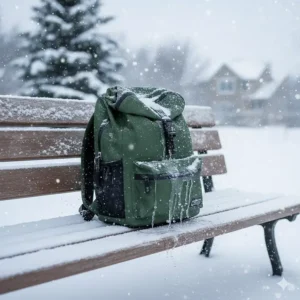
This powerhouse backpack has become a favourite among Canadian students for good reason. The YAMTION Waterproof School Backpack features heavy-duty water-resistant polyester that shrugs off snow like it’s nothing. I’m talking about the kind of fabric that actually works when your kid walks through a blizzard to catch the morning bus.
Key Specifications:
- 45cm height with 30L capacity
- USB charging port (convenient for older students)
- Reinforced laptop compartment (fits up to 15.6″)
- Multiple organizational pockets
Price: $32.99-$36.99 CAD
Canadian Availability: Ships free with Amazon Prime
Canadian buyers consistently praise how this bag handles moisture-proof requirements. One Toronto parent noted their teenager used it through an entire winter without a single leak, even after daily exposure to heavy snow. The padded shoulder straps distribute weight evenly, which matters when you’re bundled up in a thick winter coat.
✅ Pros:
- Excellent water resistance for the price point
- Large capacity handles textbooks + winter gear
- Reinforced stitching holds up to Canadian weather
❌ Cons:
- Zippers can stiffen in extreme cold (below -20°C)
- Not fully submersible (water-resistant, not waterproof)
2. Lifewit Insulated Lunch Bag with Waterproof Lining
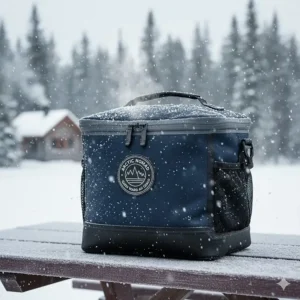
Here’s a lunch bag that actually understands Canadian winters. The Lifewit Insulated Lunch Bag combines 600D Oxford cloth exterior with PEVA foil lining—basically, your child’s lunch won’t turn into a frozen brick or a soggy mess.
Key Specifications:
- 25.4cm x 17cm x 20.3cm dimensions
- 9L capacity (holds 12 cans)
- 2mm EPE foam insulation
- Wide-mouth zipper opening
Price: $38-$45 CAD
Canadian Availability: Available on Amazon.ca with fast shipping
This insulated lunch bag for cold weather maintains temperature for over 4.5 hours. During those brutal -30°C mornings in Calgary or Edmonton, that insulation becomes critical. Parents from Winnipeg report sandwiches staying soft and juice boxes remaining liquid even after a 30-minute bus ride in freezing temperature supplies conditions.
✅ Pros:
- Superior insulation for extreme cold
- Leakproof design prevents disasters
- Easy to clean waterproof interior
❌ Cons:
- Slightly bulky for elementary students
- Premium pricing compared to basic lunch bags
3. Homecube Waterproof Oxford Pencil Case
Small but mighty, the Homecube Waterproof Oxford Pencil Case protects your stationery from moisture damage. Made from 301D Oxford cloth, this moisture-proof pencil case features smooth YKK zippers that won’t freeze shut when temperatures drop.
Key Specifications:
- 21cm x 10cm x 5.5cm size
- Multiple compartments with mesh pocket
- Fits graphing calculator + 20cm ruler
- Center hard flap with elastic loops
Price: $18-$24 CAD
Canadian Availability: Ships across Canada via Amazon.ca
Saskatchewan students love how this case keeps pencils, erasers, and electronics dry during snow damage prevention situations. The velcro inner pocket securely holds USB cables and earbuds—no more tangled messes when you pull out a pen during class.
✅ Pros:
- Genuinely waterproof construction
- Well-organized compartments
- Durable enough for daily rough handling
❌ Cons:
- Limited colour options on Amazon.ca
- May be too large for younger students’ backpacks
4. Arctic Zone Deep Freeze Insulated Lunch Tote
If you want the absolute best, the Arctic Zone Deep Freeze Insulated Lunch Tote delivers professional-grade performance. This premium option features radiant heat barrier technology—the same concept used in high-end outdoor gear—making it ideal for Canadian climate school gear needs.
Key Specifications:
- Patented SmartShelf removable hard liner
- Ultra Safe leak-proof lining
- Reinforced 840D TPE coating
- Adjustable shoulder strap
Price: $45-$55 CAD
Canadian Availability: Available through Amazon.ca
Manitoba parents swear by this lunch bag’s ability to keep food at safe temperatures during those marathon winter days. Even when schools keep kids outside until -25°C, lunches inside stay perfectly preserved. The hard liner shelf prevents crushing—no more squashed sandwiches at the bottom of backpacks.
✅ Pros:
- Best-in-class insulation technology
- Virtually indestructible construction
- Excellent capacity for growing teenagers
❌ Cons:
- Premium price point
- Heavier than standard lunch bags
5. MATEIN Travel Laptop Backpack with Rain Cover
The MATEIN Travel Laptop Backpack takes water resistance seriously with an included rain cover—perfect for those unexpected Maritime storms or sudden Ontario snow squalls. This water-resistant backpack for snow conditions offers anti-theft features alongside weatherproofing.
Key Specifications:
- TSA-friendly laptop compartment
- Built-in USB charging port
- Hidden anti-theft pocket
- Bonus rain cover included
Price: $42-$52 CAD
Canadian Availability: Prime eligible on Amazon.ca
Vancouver students particularly appreciate the rain cover feature during the city’s wet winter months. The backpack itself resists moisture, but when heavy precipitation hits, you deploy the cover for complete protection. New Brunswick families report zero water penetration even after walking through freezing rain.
✅ Pros:
- Dual protection system (fabric + cover)
- Professional appearance for high school/college
- Excellent organizational features
❌ Cons:
- Rain cover adds slight bulk
- USB port requires separate power bank
6. WEMATE Large Capacity Waterproof Pencil Bag
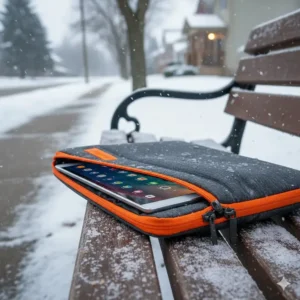
For students who need serious organization, the WEMATE Large Capacity Waterproof Pencil Bag holds up to 80 pencils plus a calculator. Made from premium canvas with waterproof coating, it’s built to survive Canadian winter conditions.
Key Specifications:
- 23cm x 11cm x 6cm dimensions
- 5 separate compartments
- Mesh pocket for small items
- 6 individual pen slots
Price: $20-$28 CAD
Canadian Availability: Ships free to Canadian addresses
Alberta students love how this oversized case accommodates everything from graphing calculators to art supplies. The multiple compartments mean you’re not digging through a jumbled mess to find that one specific coloured pencil. The waterproof exterior has proven itself during countless locker condensation incidents and snow exposure.
✅ Pros:
- Massive storage capacity
- Truly waterproof canvas construction
- Professional stitching quality
❌ Cons:
- Too large for elementary students
- Limited to solid colour options
7. Antner A6 Waterproof Binder Pockets (12-Pack)
These Antner A6 Waterproof Binder Pockets transform regular binders into weatherproof binder covers systems. Made from clear PVC with zipper closure, they protect important documents from moisture, snow, and temperature fluctuations.
Key Specifications:
- 12 pieces per pack
- Clear PVC construction
- Zipper closure
- 6-hole punch compatible
Price: $16-$22 CAD
Canadian Availability: Available on Amazon.ca
Ontario students use these for protecting homework, permission slips, and important notices during their commute. The clear material lets you see contents without opening, while the zipper keeps everything secure. Quebec families particularly value these during slushy spring thaw conditions when backpacks get repeatedly soaked.
✅ Pros:
- Affordable multi-pack pricing
- Universal binder compatibility
- Completely waterproof protection
❌ Cons:
- Only fits smaller documents (A6 size)
- Zippers may stiffen in extreme cold
Understanding Canadian Winter Conditions and School Supply Needs ❄️
Canadian winters present unique challenges that most international school supplies simply can’t handle. According to Environment Canada weather data, temperatures across the country regularly drop below -20°C, with wind chill factors making it feel even colder. In regions like the Prairies, temperatures can reach -40°C—that’s cold enough to freeze exposed skin in minutes.
Schools across Canada maintain outdoor activities until temperatures hit critical thresholds. Most Ontario school boards use -25°C as their benchmark for canceling outdoor recess, while Maritime provinces often keep students outside in slightly milder but wetter conditions. This means your child’s backpack, lunch bag, and supplies face extended exposure to harsh elements daily.
The real problem? Moisture. Snow melts when kids enter heated classrooms. That melted snow soaks through unprotected materials, warping paper, damaging electronics, and creating breeding grounds for mold. Regular backpacks might resist light rain, but they fail against the repeated freeze-thaw cycles of Canadian winters. Your investment in proper winter backpack features pays dividends in preserved homework, protected devices, and supplies that last the entire school year.
Essential Winter Backpack Features for Canadian Students 🎒
When shopping for waterproof school supplies for Canadian winter, your backpack serves as the first line of defense. Here’s what actually matters: water-resistant or waterproof materials (polyester, nylon, or Oxford cloth with DWR coating), sealed or waterproof zippers that won’t freeze shut, insulated laptop compartments (electronics hate temperature extremes), reinforced stitching at stress points, and reflective strips for dark winter mornings.
The difference between water-resistant and waterproof matters significantly. Water-resistant backpacks handle light snow and brief exposure—think walking from the car to school. Waterproof backpacks withstand heavy snow, slush puddles, and extended outdoor time. For most Canadian students, water-resistant provides sufficient protection when combined with good organizational practices.
Pay attention to zipper quality. Cheap zippers freeze at -15°C, forcing kids to yank and potentially break them. YKK or similar quality zippers maintain functionality down to -30°C or lower. Additionally, consider backpacks with external attachment points for wet mittens and toques—keeping these items away from homework prevents moisture transfer.
Choosing the Right Insulated Lunch Bag for Freezing Temperatures 🍱
An insulated lunch bag for cold weather works differently than summer cooler bags. In winter, you’re preventing food from freezing rather than keeping it cool. Look for thick insulation (minimum 5mm EPE foam), waterproof interior lining (PEVA or EVA), leakproof construction (heat-welded seams), and wide-mouth openings (easier with winter gloves on).
Canadian parents often discover their regular lunch bags fail when sandwiches freeze solid or drinks turn to slush. Quality insulated bags maintain temperatures within the safe eating zone (4°C to 60°C) for 4-6 hours—enough to cover the typical school day. Some premium models claim up to 8 hours of temperature retention, which benefits students involved in after-school activities.
Size matters too. Elementary students need compact bags that fit inside their backpacks, while high school students often prefer larger standalone totes. Consider your child’s typical lunch contents: smaller bags work for sandwiches and snacks, but teenagers might need space for multiple containers, snacks, and drinks.
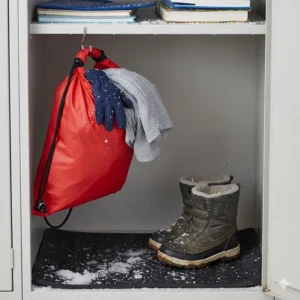
Protecting Documents with Weatherproof Binder Covers ✍️
Traditional paper and cardboard binders deteriorate quickly in Canadian winter conditions. Weatherproof binder covers provide essential protection through waterproof sheet protectors, zipper pouches for loose papers, clear PVC or plastic construction, and multi-pocket organization systems.
I’ve seen too many students lose homework points because their completed assignments turned into soggy pulp. Waterproof binder pockets create a moisture barrier between harsh weather and important documents. These inexpensive accessories (typically $15-$25 CAD for multi-packs) deliver enormous value.
Sheet protectors serve double duty: they organize papers AND protect them from water damage. Look for heavy-duty options (minimum 3 mil thickness) that won’t crack in cold temperatures. Top-loading protectors work better than side-loading versions—they prevent papers from sliding out when binders get jostled in crowded hallways.
For maximum protection, consider combining waterproof sheet protectors with plastic binder covers. This layered approach means even if moisture penetrates the outer backpack layer, your documents remain safe inside their protective shells.
Moisture-Proof Pencil Cases: Small but Critical ✏️
A moisture-proof pencil case might seem like a minor detail, but damaged calculators, ruined electronics, and water-logged supplies add up quickly. Quality waterproof pencil cases feature Oxford cloth or waterproof nylon construction, multiple compartments for organization, reliable zippers (preferably YKK), and internal pockets for electronics.
The challenge with pencil cases involves balancing size versus functionality. Younger students need compact cases that fit easily in their backpacks, while older students require larger organizers for calculators, USB drives, and art supplies. Consider your child’s specific needs: do they carry just basic writing tools, or do they need space for scientific calculators, rulers, and specialized equipment?
Canadian winter conditions can damage electronics through condensation. When cold devices enter warm classrooms, moisture condenses on surfaces—potentially destroying calculators, earbuds, or USB drives. Waterproof pencil cases with sealed compartments prevent this condensation damage, extending the life of expensive electronics.
Complete Snow Damage Prevention Strategy for School Supplies ⛄
Preventing snow damage requires a multi-layered approach. Start with the right gear: waterproof backpack (primary protection layer), internal waterproof pouches (secondary protection), individual item protection (pencil cases, binder covers), and moisture-absorbing products (silica gel packets).
Teach children proper storage habits. Wet mittens and toques belong in external pockets or attached to backpack exteriors—never stuffed inside near homework. Zippers should be fully closed before heading outside. Backpacks shouldn’t sit directly in snow; have kids place them on their laps or under seats on the bus.
After arriving home, empty backpacks completely. Allow them to air dry, especially if exposed to heavy snow. Check all compartments for trapped moisture. This daily maintenance routine prevents mold growth and extends the lifespan of both the backpack and its contents.
Consider seasonal storage for electronic devices. If possible, keep tablets or laptops in protective sleeves inside the main backpack compartment—the most insulated area furthest from external moisture. Never store devices in outer pockets where they receive maximum exposure to temperature extremes.
Temperature Resistance: What Actually Works in Canadian Cold 🌡️
Canadian winters test materials to their limits. Regular plastics crack at -20°C, cheap zippers freeze at -15°C, and inadequate insulation fails at -25°C. When shopping for freezing temperature supplies, verify materials can withstand at least -30°C—this provides a safety margin for extreme cold snaps.
Different materials react differently to cold. Polyester and nylon maintain flexibility down to -40°C or lower, making them ideal for backpacks and outer layers. Oxford cloth (like 301D or 600D) combines water resistance with cold tolerance. PVC remains waterproof but can stiffen in extreme cold—acceptable for indoor items like binder pockets but problematic for frequently-accessed zippers.
Insulation technology matters significantly for lunch bags. Basic foam insulation (2-3mm) works down to approximately -15°C before food starts freezing. Premium insulation (5mm EPE foam or radiant heat barriers) maintains safe temperatures down to -30°C or colder. If your region regularly sees temperatures below -25°C, invest in premium insulated lunch bags.
Metal components present another consideration. Steel zippers and clasps conduct cold rapidly, making them uncomfortable to touch with bare hands in extreme temperatures. Look for products with rubberized zipper pulls or plastic hardware that remain comfortable to handle even in severe cold.
Comparing Budget vs Premium Waterproof School Supplies 💰
The budget versus premium question depends on your specific circumstances. Budget options ($15-$40 CAD) provide basic water resistance suitable for most Canadian conditions, adequate for elementary and middle school students, and last one to two school years with proper care. Premium options ($45-$85+ CAD) offer superior waterproofing and insulation, additional features (anti-theft pockets, charging ports), and multi-year durability with better warranties.
For most families, mid-range products ($30-$50 CAD) hit the sweet spot—sufficient quality without breaking the bank. However, consider investing premium for items your child uses daily (backpack, lunch bag) while choosing budget for occasionally-used items (spare pencil cases, backup binder pouches).
Regional considerations also matter. Students in Halifax or Vancouver face more precipitation than those in Calgary or Edmonton, potentially justifying premium waterproofing investments. Conversely, Prairie students deal with extreme cold but less moisture, making insulation more important than maximum waterproofing.
Think about replacement costs too. A $35 backpack lasting one year costs the same as a $70 backpack lasting two years—but the premium version likely performs better throughout its lifespan. Factor in the cost of damaged homework, ruined electronics, and spoiled lunches when making purchasing decisions.
Regional Considerations: Atlantic, Central, and Western Canada 🍁
Canada’s vast geography creates different winter conditions requiring tailored approaches. Atlantic Canada (Newfoundland, New Brunswick, Nova Scotia, PEI) experiences heavy snow, frequent freeze-thaw cycles, and high humidity. Priority: maximum waterproofing over extreme cold resistance. Central Canada (Ontario, Quebec) faces moderate to severe cold with significant snowfall. Priority: balanced approach—good waterproofing AND cold resistance. Western Canada (Prairies, BC) sees extreme cold (Prairies) or wet conditions (BC). Priority: depends on specific location—insulation for Prairies, waterproofing for BC coastal regions.
Northern territories require specialized gear beyond typical school supplies. Temperatures regularly hit -40°C or colder, demanding professional-grade equipment. If you’re in Yukon, NWT, or Nunavut, consult local retailers familiar with extreme Arctic conditions rather than relying solely on mainstream Amazon.ca options.
Urban versus rural considerations matter too. City students often have shorter outdoor exposure (walking from heated homes to heated buses to heated schools), while rural students may spend extended periods outside waiting for buses or walking longer distances. Rural families should prioritize maximum cold protection and waterproofing over urban aesthetics.
Maintaining Waterproof School Supplies Through Canadian Winter 🧹
Proper maintenance extends the life of your waterproof school supplies for Canadian winter. Weekly cleaning routine: wipe down exteriors with damp cloth, check all zippers for debris or ice, inspect seams for wear or separation, and empty all pockets completely. Monthly deep clean: hand wash with mild detergent (never machine wash waterproof backpacks), air dry thoroughly (never tumble dry), and reapply DWR coating if necessary. Seasonal storage: clean thoroughly before summer storage, store in cool, dry location, and stuff backpacks with paper to maintain shape.
Waterproof coatings degrade over time, especially with heavy use. Many backpacks and lunch bags come with DWR (Durable Water Repellent) coatings that require periodic renewal. You can purchase spray-on DWR treatments from outdoor retailers for $12-$20 CAD—a small investment that dramatically extends waterproofing effectiveness.
Pay special attention to zippers, as they’re the weak point in most waterproof systems. Keep them clean and lubricated (beeswax or zipper lubricant works well). If zippers start sticking, address the problem immediately before forcing them causes permanent damage.
Inspect seams regularly, especially at stress points like shoulder strap attachments and bottom corners. Many waterproof backpacks use sealed or taped seams for extra protection. If you notice separation, seam sealer (available at outdoor retailers) can repair minor damage and prevent water infiltration.
Smart Shopping Tips for Canadian Parents 🛒
Maximize value when purchasing waterproof school supplies for Canadian winter with these strategies. Timing: Shop during back-to-school sales (July-August) for best selection, or wait until January clearance for deep discounts. Price Comparison: Check Amazon.ca, Walmart.ca, and Best Buy Canada simultaneously. Prices fluctuate frequently—what’s $45 today might be $32 tomorrow. Prime Membership: Free shipping saves significantly on bulky items like backpacks. Calculate whether Prime membership ($99/year) pays for itself through shipping savings. Customer Reviews: Focus on verified Canadian purchaser reviews. International reviews may not reflect Canadian winter performance. Return Policies: Confirm return windows BEFORE purchasing. Test waterproofing at home before the season starts—better to discover problems in October than January.
Consider buying slightly larger backpacks to accommodate winter clothing bulk. Students wearing thick coats need extra strap length, and backpacks need space for mittens, toques, and scarves alongside regular supplies. What fits perfectly in September might feel cramped by December.
Watch for Amazon.ca Lightning Deals and Warehouse Deals. Returned items often sell at 20-30% discounts with minimal or no damage. Open-box backpacks and lunch bags work perfectly fine—you’re saving money on packaging rather than quality.
Join parent groups on Facebook or local forums. Other parents often share information about sales, product performance, and local retailers offering competitive pricing. Canadian-specific parenting forums frequently discuss winter gear recommendations based on regional conditions.
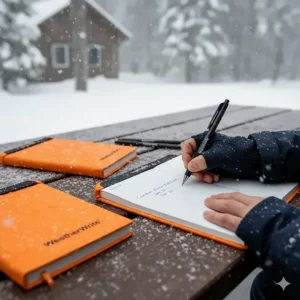
Addressing Common Canadian Winter School Supply Challenges 🤔
Challenge 1: Frozen Zippers
Solution: Apply beeswax or zipper lubricant before winter. In emergencies, warm the zipper with your hands (wearing gloves) rather than forcing it. High-quality YKK zippers resist freezing better than generic alternatives.
Challenge 2: Condensation Inside Backpacks
Solution: Allow backpacks to warm gradually after entering from cold. Don’t place them directly on heating vents. Use silica gel packets to absorb excess moisture. Empty completely at home to air dry.
Challenge 3: Frozen Lunches
Solution: Invest in quality insulated bags with 5mm+ insulation. Use thermal food containers for hot items. Include a small ice pack in summer, but skip it in winter—the insulation alone maintains appropriate temperatures.
Challenge 4: Cracking Plastic Binders
Solution: Switch to flexible plastic or fabric-covered binders. Hard plastic binders crack below -15°C. Waterproof zipper binders offer superior cold weather performance.
Challenge 5: Electronics Condensation Damage
Solution: Store devices in waterproof cases with sealed compartments. Let them warm to room temperature BEFORE turning them on to prevent condensation damage to internal components.
FAQ: Canadian Winter School Supplies 🍁
❓ How cold is too cold for regular school backpacks in Canada?
❓ What's the best way to prevent school lunches from freezing during Canadian winter?
❓ Are waterproof backpacks necessary in all Canadian provinces?
❓ How often should I replace waterproof school supplies in Canada?
❓ Can I wash waterproof backpacks and lunch bags in the washing machine?
Conclusion: Investing in Quality Winter-Ready School Gear 🎓
Canadian winters demand proper preparation, and quality waterproof school supplies for Canadian winter make the difference between frustrated mornings and smooth school days. Whether you’re facing Atlantic storms, Prairie deep freezes, or BC coastal rain, the right gear protects your investment in education while reducing daily stress.
Remember: waterproofing isn’t luxury—it’s necessity in our climate. A water-resistant backpack for snow prevents damaged homework and ruined electronics. An insulated lunch bag for cold weather ensures your child eats properly rather than dealing with frozen sandwiches. Weatherproof binder covers and moisture-proof pencil cases complete the protection system.
Start with the essentials: quality backpack, insulated lunch bag, and basic waterproof accessories. As budget allows, upgrade to premium options for items used daily. Watch for sales, compare prices across retailers, and read Canadian customer reviews before purchasing. Your investment in proper winter gear pays dividends through preserved supplies, protected electronics, and one less thing to worry about during our challenging winter months.
Most importantly, involve your children in maintenance routines. Teaching them to properly care for waterproof supplies instills responsibility while extending product lifespan. Together, you’ll weather whatever Canadian winter throws your way—because with the right gear, even -30°C mornings become just another day at school.
Recommended for You 📚
- 7 Best French Immersion School Supplies Canada 2026
- OSSLT Exam Supplies Allowed List Ontario: 7 Must-Have Items 2026
- Complete CEGEP Supplies List Quebec 2026 – 7 Must-Haves
Disclaimer: This article contains affiliate links to Amazon.ca. If you purchase products through these links, we may earn a small commission at no additional cost to you.
✨ Found this helpful? Share it with your friends! 💬🤗
