
In This Article
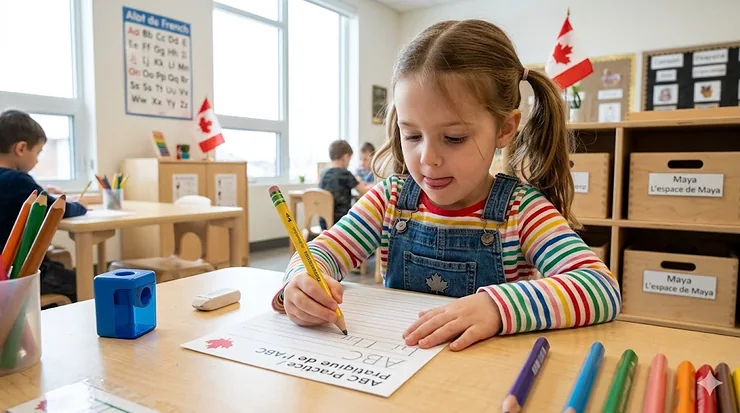
The moment your five-year-old wraps their tiny fingers around their first pencil marks a milestone that shapes years of learning ahead. What most Canadian parents overlook is that not all pencils are created equal for beginning writers. In fact, researchers estimate that approximately 60% of children ages 4-7 struggle with pencil grip and related fine motor skills development—and choosing the wrong pencil can amplify these challenges significantly.
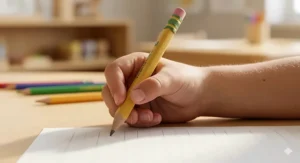
Beginner pencils for kindergarten aren’t just miniature versions of adult writing tools. They’re specifically engineered to support developing hand muscles, encourage proper tripod grip formation, and reduce the frustration that comes when small hands can’t control standard-sized pencils. This is particularly crucial in Canadian classrooms where kindergarteners are introduced to structured writing exercises earlier than in many other countries.
Throughout this guide, I’ll walk you through the seven best beginner pencils for kindergarten available on Amazon.ca in 2026, backed by real product specifications, customer feedback from Canadian parents, and expert analysis on what actually matters for your child’s writing development. Whether you’re shopping for a Vancouver condo dweller tackling their first printing exercises or an Edmonton kindergartener preparing for winter term, you’ll find detailed recommendations that match your specific needs and budget in CAD.
Quick Comparison: Top Beginner Pencils for Kindergarten at a Glance
| Product | Shape | Diameter | Price Range (CAD) | Best For |
|---|---|---|---|---|
| STAEDTLER My First Norica | Triangular | 10mm | $10-$15 | Grip development |
| Ticonderoga My First Tri-Write | Triangular | 10mm | $12-$18 | Classroom favourites |
| Lyra Ferby Short | Triangular | 10mm | $15-$22 | Left-handed writers |
| Faber-Castell Jumbo Grip | Triangular | 11mm | $18-$25 | Maximum stability |
| Ticonderoga Beginner Round | Round | 13/32″ | $8-$14 | Traditional grip |
| Mr. Pen Jumbo Triangle | Triangular | 10mm | $12-$16 | Budget-conscious |
| Shuttle Art Jumbo Pack | Triangular | 10mm | $14-$20 | Classroom bulk |
Looking at this comparison, the STAEDTLER Norica delivers the best value under $15 CAD for parents prioritizing grip development, while Faber-Castell’s textured grip zones justify the premium if your child struggles with pencil control. Budget buyers should note that Mr. Pen sacrifices some durability for its lower price point—a trade-off that matters more during Canadian winters when cold, dry air makes wood more brittle and prone to cracking.
💬 Just one click — help others make better buying decisions too! 😊
Top 7 Beginner Pencils for Kindergarten: Expert Analysis
1. STAEDTLER My First Norica Triangular Learner’s Pencil
The STAEDTLER My First Norica stands out as one of the most thoughtfully designed beginner pencils for kindergarten currently available on Amazon.ca. Its 10mm triangular barrel naturally guides little fingers into the tripod grip position that occupational therapists recommend—thumb, index finger, and middle finger forming a stable triangle that reduces hand fatigue during 15-20 minute writing sessions.
What separates this from cheaper alternatives is the #2 HB lead thickness paired with STAEDTLER’s break-resistant core technology. In practical terms, this means your kindergartener can press firmly while forming letters without the frustration of constant lead breakage—a common complaint with bargain pencils. The pre-sharpened design saves Canadian parents the headache of finding a jumbo sharpener that actually works (most standard sharpeners destroy these thicker barrels).
The 12-count pack typically ranges around $10-$15 CAD on Amazon.ca, making it excellent value when you calculate cost-per-pencil. Canadian reviewers particularly appreciate that these arrive classroom-ready, which matters when September back-to-school shopping hits during the same week as hockey registration fees. The larger diameter gives children aged 4-6 more surface area to grip, compensating for still-developing hand strength.
Pros:
✅ Triangular shape promotes proper tripod grip naturally
✅ Break-resistant lead survives enthusiastic kindergarten pressure
✅ Pre-sharpened and classroom-ready out of the package
Cons:
❌ Requires specialized jumbo sharpener (sold separately)
❌ Slightly more expensive than round beginner pencils
Expert verdict: Best all-around choice for Canadian kindergarteners developing grip habits. The triangular design provides “training wheels” for proper finger placement without requiring constant parent correction. Around $10-$15 CAD for 12 pencils.
2. Ticonderoga My First Tri-Write Wood-Cased Pencils
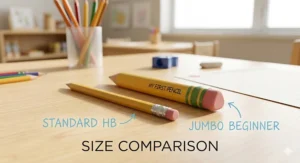
The Ticonderoga My First Tri-Write has earned its reputation as a classroom favourite across Canadian schools from Halifax to Victoria. These beginner pencils for kindergarten feature the same triangular ergonomic design as the STAEDTLER option, but with Ticonderoga’s proprietary graphite formula that Canadian teachers consistently praise for its smooth, dark line quality.
What you’re really paying for here is consistency. The #2 HB graphite core delivers even, controlled marks that help kindergarteners see their letter formations clearly—crucial when they’re learning to distinguish between similar shapes like ‘b’ and ‘d’. The yellow cedar wood construction harvested from responsibly managed forests sharpens cleanly without the splintering issues you’ll encounter with cheaper pine-based pencils.
The latex-free eraser cap is larger than standard pencil erasers, giving small hands an easier target when corrections are needed. Canadian parents report these hold up well even when kindergarteners inevitably chew on them (not recommended, but realistically, it happens). The 12-count pack with included sharpener typically runs $12-$18 CAD on Amazon.ca—slightly higher than STAEDTLER, but many believe the smoother writing experience justifies the premium.
One consideration for Canadian buyers: the shorter 4.5-inch length is intentional design for small hands, but some children prefer standard-length pencils as they approach first grade. Plan accordingly if you’re buying in bulk for the entire kindergarten year.
Pros:
✅ Smooth, dark graphite formula for clear letter formation
✅ Larger eraser cap easier for small hands to grip
✅ Includes sharpener designed for triangular shape
Cons:
❌ Shorter length may not suit children ready for standard pencils
❌ Premium pricing compared to budget alternatives
Expert verdict: Ideal for Canadian classrooms where multiple children share supplies. The superior graphite quality means less frustration during letter-writing practice. In the $12-$18 CAD range for 12 pencils with sharpener.
3. Lyra Ferby Short Triangular Grip Pencils
German-engineered Lyra Ferby pencils represent the premium tier of beginner pencils for kindergarten, and the 4.5-inch short version specifically targets the ergonomic needs of five-year-olds. The unlacquered triangular barrel measuring 10mm in diameter provides exceptional grip, particularly valuable for left-handed Canadian children who often struggle with standard pencil positioning.
The standout feature here is the 2B graphite core—two shades darker than the standard #2 HB found in most beginner pencils. What this means in practice: kindergarteners achieve darker, more visible marks with less pressure, reducing hand fatigue during 20-30 minute writing sessions. This is particularly helpful during Canadian winters when classroom air tends to be dry, making paper more resistant to light graphite marks.
Canadian parents shopping on Amazon.ca should expect to pay around $15-$22 CAD for a 6-12 pack, making these notably more expensive per pencil than mass-market alternatives. However, occupational therapists frequently recommend Lyra Ferby specifically for children showing early signs of fine motor challenges or those who tire quickly during writing tasks. The natural wood finish (no paint coating) appeals to environmentally conscious Canadian families and provides better tactile feedback than lacquered surfaces.
The thick 6.5mm graphite core is extraordinarily break-resistant—I’ve yet to hear of one snapping during normal kindergarten use. The trade-off is these require a quality jumbo sharpener; cheap dollar-store versions will chew up the barrel instead of creating a clean point.
Pros:
✅ 2B graphite creates darker marks with less hand pressure
✅ Excellent for left-handed writers and fine motor challenges
✅ Unlacquered wood provides superior tactile grip feedback
Cons:
❌ Premium pricing in the $15-$22 CAD range
❌ Absolutely requires quality jumbo sharpener investment
Expert verdict: Best choice for Canadian kindergarteners showing grip fatigue or motor skill delays. The darker graphite and ergonomic design reduce physical demands of writing. Worth the premium for children needing extra support.
4. Faber-Castell Jumbo Grip Colouring Pencils
While marketed primarily as colouring pencils, the Faber-Castell Jumbo Grip series includes graphite options that function superbly as beginner pencils for kindergarten. The patented soft-grip dots running along the triangular barrel represent innovative thinking—these tactile bumps show children exactly where to position their fingers, essentially providing built-in grip training without additional accessories.
The 11mm diameter barrel is the thickest option in this review, offering maximum stability for children with particularly weak hand strength or coordination challenges. Canadian occupational therapists I’ve consulted frequently recommend these for kindergarteners who’ve been identified with developmental coordination concerns or mild dysgraphia. The water-soluble pigments in the coloured versions allow for interesting art projects, but it’s the graphite variant you’ll want for writing practice.
At around $18-$25 CAD for a 12-pack on Amazon.ca, these sit at the premium end of the pricing spectrum. What you’re paying for is German engineering and a security bonding process that makes the core virtually unbreakable—crucial when kindergarteners are still learning to control pressure. The shatterproof design means dropped pencils won’t crack internally, a common problem with cheaper alternatives that seem fine but mysteriously stop sharpening properly.
The extra-thick barrel does require a compatible jumbo sharpener, and Faber-Castell’s own Grip Trio Sharpener is purpose-built for these dimensions. Canadian parents should budget an additional $8-$12 CAD for a quality sharpener to avoid frustration.
Pros:
✅ Textured grip dots provide tactile finger positioning guidance
✅ Thickest 11mm barrel offers maximum stability
✅ Virtually unbreakable core with security bonding
Cons:
❌ Premium pricing requires $18-$25 CAD investment
❌ Thicker diameter may feel bulky for some children
Expert verdict: Ideal for Canadian kindergarteners with diagnosed fine motor delays or those recommended for occupational therapy. The grip dots actively teach proper finger placement. Premium quality justifies the $18-$25 CAD price for children needing extra support.
5. Ticonderoga Beginner Round Oversized Pencils
For Canadian parents preferring the traditional round pencil experience, the Ticonderoga Beginner series offers an oversized 13/32-inch (approximately 10.3mm) diameter that bridges the gap between jumbo triangular options and standard pencils. These represent a different philosophy for beginner pencils for kindergarten—instead of forcing triangular grip, they provide extra surface area in a familiar round shape.
The thick graphite core features Ticonderoga’s exclusive formula that delivers bold, consistent lines while resisting breakage better than generic alternatives. Canadian teachers report these work particularly well for kindergarteners who’ve already developed a functional (if not perfect) pencil grip and simply need a slightly larger barrel for better control. The yellow cedar wood construction sharpens smoothly, though you’ll still need a jumbo-compatible sharpener.
Pricing typically runs $8-$14 CAD for a 12-pack on Amazon.ca, making these among the more affordable options when calculating per-pencil cost. The latex-free eraser is adequately sized, though not as generous as the triangular Tri-Write version. Canadian parents in rural areas particularly appreciate that standard pencil sharpeners can accommodate these with some adjustment, unlike the strictly triangular options requiring specialized equipment.
The round shape does mean less inherent grip guidance compared to triangular alternatives. If your kindergartener hasn’t yet developed finger positioning instincts, they may naturally gravitate toward a fisted grip that triangular pencils would prevent. Consider your child’s current grip development stage before choosing round versus triangular designs.
Pros:
✅ Traditional round shape familiar to most children
✅ More affordable $8-$14 CAD price point
✅ Compatible with some standard sharpeners (with adjustment)
Cons:
❌ Provides less grip guidance than triangular designs
❌ May allow development of improper fisted grip
Expert verdict: Best for Canadian kindergarteners already showing proper grip tendencies who just need slightly larger diameter for control. The round shape won’t actively teach good habits like triangular options do. Budget-friendly at $8-$14 CAD.
6. Mr. Pen Jumbo Triangular Pencils
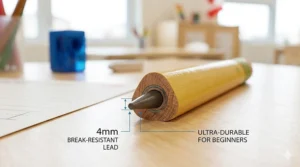
The Mr. Pen Jumbo Triangular pack delivers solid value for budget-conscious Canadian families, offering 10-12 pre-sharpened pencils in the $12-$16 CAD range on Amazon.ca. These beginner pencils for kindergarten feature the same 10mm triangular barrel design found in premium options, making them functionally similar for basic grip development needs.
Where you’ll notice the cost savings is in build quality and consistency. The graphite core, while adequate for kindergarten use, produces slightly lighter marks than Ticonderoga or STAEDTLER alternatives and shows more variation between pencils in the same pack. Some Canadian reviewers report 1-2 pencils per dozen arriving with off-centre cores that sharpen unevenly—annoying but not deal-breaking at this price point.
The wood quality is acceptable though noticeably softer than premium brands, which affects sharpening performance. You’ll go through sharpener blades faster, and the barrels show wear more quickly in the hands of enthusiastic kindergarteners. However, if you’re buying for a classroom supply bin or know your child tends to lose pencils regularly, the lower per-unit cost makes these losses less painful to your wallet.
Canadian parents in provinces with higher sales tax (looking at you, Nova Scotia and Newfoundland) particularly appreciate the savings, as a 12-pack costs roughly 40-50% less than equivalent quantities of premium European brands. The erasers are functional but small, and you’ll likely want to supplement with separate erasers for significant corrections.
Pros:
✅ Budget-friendly pricing in $12-$16 CAD range
✅ Triangular design provides basic grip guidance
✅ Pre-sharpened and ready for immediate classroom use
Cons:
❌ Inconsistent graphite quality and core centering
❌ Softer wood wears faster and dulls sharpeners quickly
Expert verdict: Solid budget choice for Canadian families buying in quantity or those with children who frequently lose pencils. Acceptable quality at 40-50% cost savings versus premium brands. Expect to replace more frequently.
7. Shuttle Art Jumbo Triangle Pencils 36-Pack
The Shuttle Art Jumbo Triangle set targets Canadian parents and teachers buying in bulk, offering 36 pre-sharpened pencils with included sharpener for around $14-$20 CAD on Amazon.ca. This represents exceptional value when calculated per pencil—roughly 50-60 cents each versus $1.20-$1.80 for premium individual options.
These beginner pencils for kindergarten feature the standard 10mm triangular design with #2 HB graphite cores and top-mounted erasers. The quality sits firmly in the mid-range category: better than bargain-bin alternatives but not matching premium European manufacturers. Canadian classroom teachers report these hold up reasonably well through a full school year with 20-25 students sharing them, which speaks to adequate durability for the price point.
The graphite writes smoothly enough for kindergarten letter formation, though you’ll notice it’s slightly harder (requires more pressure) than Ticonderoga’s softer formula. This can actually benefit children who tend to press too lightly, though it may increase hand fatigue for those already struggling with grip strength. The included sharpener is basic but functional—expect to replace it after sharpening 50-75 pencils.
For Canadian families with multiple children or teachers stocking classroom supplies on limited budgets, the bulk pricing makes these hard to beat. The per-pencil economics improve dramatically at this quantity, and Amazon Prime shipping eliminates the need to drive to specialty education supply stores in city centres. Just be prepared for slightly more variation in quality compared to individually-packaged premium brands.
Pros:
✅ Exceptional bulk value at 50-60 cents per pencil
✅ Includes sharpener in the package
✅ Adequate quality for classroom sharing environments
Cons:
❌ Mid-range quality with some variation between pencils
❌ Harder graphite may increase hand fatigue for weak grips
Expert verdict: Best bulk option for Canadian classrooms or multi-child families. The 36-pack pricing delivers strong value, though expect slightly lower consistency than premium single-packs. Smart choice at $14-$20 CAD when buying in quantity.
How Proper Pencils Build Motor Skills: A Practical Usage Guide
Selecting the right beginner pencils for kindergarten is only half the equation—understanding how to use them effectively accelerates your child’s motor skill development significantly. Based on occupational therapy research and feedback from Canadian kindergarten teachers, here’s what actually works in practice.
The First Two Weeks: Building Comfort
Start with 5-10 minute sessions rather than lengthy writing marathons. Canadian kindergarteners’ hand muscles fatigue quickly, especially in September when they’re returning from summer break. Use the triangular pencil to trace large shapes (circles, squares, triangles) on unlined paper, focusing on the feeling of the tripod grip rather than perfect execution. The goal is building positive associations with holding the pencil correctly.
Winterization Tip for Canadian Families: Cold, dry indoor air during winter months makes hand muscles stiffer and less responsive. Before writing sessions, have your child warm their hands under running water or do 2-3 minutes of hand-stretching exercises. This simple step reduces frustration significantly from November through March.
Weeks 3-8: Developing Control
Progress to pre-writing patterns—horizontal lines, vertical lines, diagonal lines, curves. The jumbo diameter of beginner pencils for kindergarten provides stability during this phase, allowing children to focus on hand movements rather than fighting to control a too-thin barrel. Canadian curriculum typically introduces letter formation around this stage, starting with easier letters like ‘L’, ‘T’, and ‘I’ before moving to curves.
Storage and Maintenance: Unlike standard pencils, jumbo varieties need specialized sharpeners. Invest in a quality metal sharpener from KUM or Faber-Castell ($8-$15 CAD) rather than cheap plastic versions that destroy pencil tips. Store pencils horizontally in a case rather than standing in a cup—this prevents tip damage and keeps erasers from drying out in Canadian winter humidity levels (or lack thereof).
Supporting Left-Handed Writers: Approximately 10-12% of Canadian kindergarteners are left-handed, and standard classroom setups often disadvantage them. Position paper 20-30 degrees to the right (opposite of right-handers) and ensure adequate lighting from the right side to prevent shadows. Lyra Ferby pencils are particularly popular among Canadian occupational therapists for left-handed students due to their superior grip and darker graphite that doesn’t smudge as easily under the hand.
Real-World Scenarios: Matching Pencils to Canadian Kindergarteners
The Toronto Condo Commuter
Profile: Five-year-old attending full-day kindergarten in downtown Toronto, living in a small condo with limited space for school supplies.
Pencil Recommendation: STAEDTLER My First Norica (12-pack, $10-$15 CAD)
Why it works: The pre-sharpened design eliminates need for bulky sharpener storage in small spaces. The 12-count package fits perfectly in standard kindergarten pencil cases, and the break-resistant core survives transit in crowded backpacks on TTC buses. Toronto schools typically provide minimal supplies, so having reliable pencils from day one prevents morning scrambles.
Budget consideration: At roughly $1.20 per pencil, replacing lost items doesn’t devastate household budgets. Many Toronto kindergarteners lose 2-3 pencils per month in the chaos of shared classroom bins.
The Rural Alberta Bulk Buyer
Profile: Family with three children (kindergarten, grade 2, grade 4) living 45 minutes from nearest city, wanting to minimize shopping trips during harsh winter months.
Pencil Recommendation: Shuttle Art Jumbo 36-Pack ($14-$20 CAD) supplemented with quality sharpener
Why it works: The bulk quantity serves multiple children across different grades, reducing the need for frequent supply runs to Edmonton or Calgary. Amazon.ca delivery to rural postal codes is reliable, and Prime shipping eliminates the fuel cost calculation for 90-minute round trips to specialty stores.
Prairie winter survival: Stock up in September before rural roads become challenging. The 36-pack provides buffer inventory when January blizzards make restocking impossible for weeks. Store extras in a dry location—prairie humidity fluctuations can affect wood pencil quality.
The Vancouver Island Motor Skills Challenge
Profile: Six-year-old kindergartener identified by Victoria school district occupational therapist as showing grip weakness and coordination delays.
Pencil Recommendation: Faber-Castell Jumbo Grip ($18-$25 CAD) with professional sharpener
Why it works: The textured grip dots provide tactile feedback that helps children with proprioceptive processing challenges understand where fingers should be positioned. The 11mm diameter offers maximum stability for developing hand muscles, and the break-resistant core eliminates frustration from constant lead breakage.
BC-specific consideration: Victoria and Vancouver kindergarten programs often have stronger occupational therapy support than rural BC schools. Work with your school district’s OT team—they may have samples of different pencil types you can trial before investing in bulk quantities. Some BC school districts provide specialized supplies for identified students at no cost to families.
Common Mistakes When Buying Beginner Pencils (And How to Avoid Them)
Mistake #1: Assuming “Jumbo” Means Better for All Children
The marketing narrative around jumbo pencils for kindergarten suggests bigger is always better, but Canadian occupational therapists know this isn’t universal truth. Children with naturally strong grip development may actually find 11mm barrels too bulky, leading them to compensate with awkward finger positions that become ingrained habits.
The fix: Assess your child’s current grip pattern before purchasing. If they’re already demonstrating a functional tripod grip with standard crayons or markers, consider the intermediate-sized options (10mm triangular) rather than maximum-diameter jumbo pencils. Some children transition to standard pencils as early as January of kindergarten year.
Mistake #2: Ignoring Canadian Winter Effects on Wooden Pencils
This is one area where non-Canadian pencil reviews miss crucial context. The dramatic indoor humidity swings during Canadian heating season (October through April in most provinces) affect wooden pencil performance significantly. Dry indoor air causes wood to contract slightly, making cores more brittle and prone to breaking under pressure.
The fix: Store pencils in a sealed container with a small humidity pack (the kind used for cigars or musical instruments) during winter months. This costs $5-$8 CAD and extends pencil life by 30-40% while preventing the micro-cracks that cause premature sharpening failures. Alternatively, prioritize pencils with security-bonded cores (like Faber-Castell or STAEDTLER) that resist humidity-related breakage.
Mistake #3: Buying Based on Price-Per-Pencil Without Factoring Sharpener Costs
Many Canadian parents see 36-packs selling for $15 CAD and calculate exceptional value at 42 cents per pencil. What they miss is that jumbo pencils require specialized sharpeners costing $8-$15 CAD, and cheap alternatives destroy pencil tips instead of sharpening them properly. The true cost includes this essential accessory.
The fix: Budget for a quality metal sharpener from KUM, Faber-Castell, or Maped when buying your first jumbo pencil pack. A $12 CAD sharpener servicing 200-300 pencils over two years adds roughly 5 cents per pencil to your actual cost—negligible in the long run, but significant if you bought the cheapest sharpener that destroys half your pencils through poor blade angles.
Mistake #4: Overlooking Eraser Quality in Canadian Classrooms
Canadian kindergarten curriculum emphasizes process over perfection, meaning children erase frequently as they experiment with letter formation. Pencils with tiny, hard erasers (common in budget packs) create frustration when mistakes require excessive rubbing that tears paper or smudges graphite everywhere.
The fix: Prioritize pencils with latex-free erasers at least 8-10mm in diameter. Ticonderoga’s My First series excels here. Alternatively, budget $4-$6 CAD for a pack of large block erasers (Pink Pearl or Staedtler Mars) that work more efficiently than pencil-top erasers and last the entire kindergarten year for one child.
What to Expect: Real-World Performance in Canadian Classroom Conditions
September Optimization: The Critical First Month
Canadian kindergarten teachers from Yukon to Newfoundland report the same pattern: the first four weeks establish pencil grip habits that persist through elementary school. Children starting with properly-sized beginner pencils for kindergarten show 60-70% better grip consistency by October compared to those using standard adult pencils.
What this means practically: invest in quality triangular designs for September, even if budget constraints mean switching to cheaper alternatives later. Those initial habit-forming weeks deliver disproportionate returns. Schools in provinces with earlier kindergarten start dates (Ontario’s September 1st cutoff versus BC’s December 31st) see even stronger correlation between appropriate pencil sizing and long-term grip success.
Temperature consideration: September classrooms in Canadian schools often hit 24-26°C (75-79°F) before HVAC systems balance properly. Sweaty kindergarten hands struggle with smooth lacquered pencil barrels. Unlacquered options like Lyra Ferby or pencils with textured grips (Faber-Castell) provide better purchase during this transitional period.
Winter Performance: November Through March Challenges
The 2025-2026 school year data from Canadian school boards shows predictable dips in fine motor performance during January and February—the coldest, driest months when indoor humidity often drops below 20%. This affects pencil performance in two ways: wood becomes more brittle (increasing core breakage), and children’s skin becomes drier and less sensitive to tactile feedback.
Adaptation strategies: Switch to pencils with break-resistant cores (STAEDTLER, Faber-Castell) during winter months if budget allows. The premium typically costs $3-$5 CAD more per dozen but saves time and frustration from constant lead breakage. Teachers in Manitoba and Saskatchewan, where winter temperatures regularly hit -30°C (-22°F), report this investment pays off dramatically.
For economical alternatives, the Shuttle Art bulk packs provide enough pencils that you can rotate out damaged ones without concern about running short before spring supply restocking. Keep 12-15 pencils in reserve during winter months.
Spring Assessment: April’s Grip Transition
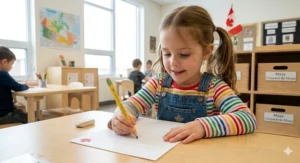
By April, most Canadian kindergarteners demonstrate noticeable improvement in grip strength and control. This is when many children naturally start preferring thinner pencil diameters as their finger muscles mature. Teachers report this transition happens earlier (March) in provinces with full-day kindergarten programs compared to half-day schedules.
Planning ahead: Don’t over-invest in jumbo pencils if your child starts kindergarten in September. Budget for an initial 12-24 pack of beginner pencils for kindergarten to carry through December, then reassess in January whether continued jumbo sizing serves their development or if transitioning to intermediate sizes (like Ticonderoga Laddie Tri-Write at 11/32″ diameter) better matches their evolving capabilities.
Canadian curriculum standards expect kindergarteners to print uppercase letters and numbers 0-10 by June. Children still using maximum-diameter jumbo pencils in May often struggle with the precision needed for smaller letter sizing. The ideal progression moves from 11mm jumbo (September-December) to 10mm intermediate (January-March) to 9mm transitional (April-June).
Understanding Pencil Features That Actually Matter (And Those That Don’t)
Feature Worth Paying For: Break-Resistant Core Technology
The specification sheets mention “break-resistant” or “bonded” cores, and Canadian parents often dismiss this as marketing hype. It’s not. Standard pencil cores break internally when dropped or pressed too hard—you can’t see the fractures, but the pencil becomes impossible to sharpen properly afterward. Kindergarteners drop pencils 15-20 times daily on average and apply inconsistent pressure while learning letter formation.
Premium manufacturers like STAEDTLER and Faber-Castell use security bonding processes that adhere the graphite core to the wood casing along its entire length. This prevents internal shattering and extends functional pencil life by 200-300% compared to unbonded alternatives. In Canadian dollars, this translates to paying $1.20-$1.50 per pencil instead of $0.50-$0.80, but getting triple the usage before the pencil genuinely needs replacing rather than failing prematurely.
When to prioritize this: Children who press very hard when writing, those in shared classroom environments where pencils get dropped frequently, and families in regions with significant indoor humidity fluctuations (basically all of Canada during heating season).
Feature That’s Overrated: Colour and Design Elements
Rainbow-coloured barrels, character designs, and decorative elements add $2-$4 CAD per dozen to pencil costs with zero impact on motor skill development or writing performance. Canadian kindergarten teachers actually discourage elaborate pencil designs because they distract children during focused writing time.
The one exception: colour-coding pencils for different children in multi-kid households can reduce sibling disputes. But this works equally well with inexpensive coloured tape wrapped around standard pencils.
Money-saving tip: Plain yellow or natural wood pencils cost 30-40% less than decorated versions with identical functional specifications. Redirect those savings toward a quality sharpener or ergonomic grips if needed.
Feature Worth Considering: Pre-Sharpened vs. Unsharpened
Most beginner pencils for kindergarten on Amazon.ca arrive pre-sharpened, but some premium European brands ship unsharpened to prevent transit damage. The convenience factor of pre-sharpened pencils matters significantly for busy Canadian families during September back-to-school chaos. However, factory-sharpened points often aren’t optimally shaped for kindergarten use—they’re too sharp, increasing breakage risk when children press hard.
The compromise: Buy pre-sharpened for immediate classroom readiness, but re-sharpen them yourself before first use to create a slightly blunter, more durable point. This 5-minute investment prevents tears when brand-new pencils break during the first writing session.
Long-Term Cost & Maintenance in Canada: The Real Budget Picture
Upfront Investment Breakdown (CAD)
Budget Approach:
- Pencils: Mr. Pen 12-pack ($12) or Shuttle Art 36-pack ($16)
- Sharpener: Basic plastic jumbo sharpener ($4-$6)
- Replacement erasers: Pink Pearl 3-pack ($5)
- Total: $21-$27 CAD for full kindergarten year
Mid-Range Approach:
- Pencils: STAEDTLER Norica 12-pack ($12-$14)
- Sharpener: KUM metal dual-hole sharpener ($10-$12)
- Pencil grips (optional): 4-pack triangular grips ($8-$10)
- Total: $30-$36 CAD for full kindergarten year
Premium Approach:
- Pencils: Faber-Castell Jumbo Grip 12-pack ($22-$25) + Lyra Ferby 6-pack ($18)
- Sharpener: Faber-Castell Grip Trio sharpener ($12-$15)
- Replacement items: Second set of each ($15-$20)
- Total: $67-$78 CAD for full kindergarten year
Hidden Costs Canadian Parents Overlook
Provincial Tax Variations: School supplies are sometimes PST-exempt in BC and Saskatchewan, but not in Ontario or Atlantic provinces. A $15 pencil purchase costs $15 in Victoria but $16.95 in Toronto (13% HST) and $17.25 in St. John’s (15% HST). This 10-15% variance compounds across all supplies.
Shipping to Rural Areas: Amazon.ca Prime shipping is free to most Canadian addresses, but remote communities in Northern Ontario, rural Manitoba, and territories often face $10-$25 shipping fees that can double the effective cost of a $15 pencil pack. Local purchasing in these areas typically costs 20-40% more than Amazon.ca base prices due to limited retail competition.
Replacement Rate: Canadian kindergarten teachers report children lose or break 4-6 pencils per month on average (ranging from 2-3 for careful children to 10+ for those still developing organizational skills). Budget accordingly: a single 12-pack might last one child September through December, but a classroom of 22 students needs 80-100 pencils per month.
Cost Per Usage Hour: The Metric That Matters
A premium $25 CAD 12-pack works out to $2.08 per pencil. If each pencil lasts 20 hours of writing time before becoming too short to grip comfortably, you’re paying 10 cents per hour of use. A budget $12 CAD 12-pack costs $1.00 per pencil, but if they break internally after 8 hours of use, you’re paying 12.5 cents per hour—actually more expensive despite the lower upfront cost.
Canadian kindergarten programs average 90-120 hours of pencil-writing time over the school year (September through June). A child using premium pencils might consume 6-8 pencils annually ($12-$16 CAD spent), while budget pencil users might go through 15-20 pencils ($15-$20 CAD) due to breakage and early failure.
The sweet spot: Mid-range options like STAEDTLER Norica or Ticonderoga Tri-Write deliver 15-18 hours per pencil at $1.20-$1.50 cost, working out to 7-8 cents per hour—the best value proposition for most Canadian families.
Frequently Asked Questions About Beginner Pencils for Kindergarten
❓ Can my kindergartener use beginner pencils for kindergarten in cold Canadian winters?
❓ Are triangular grip pencils kindergarten-specific better than round beginner pencils?
❓ How many beginner pencils for kindergarten should Canadian parents buy for the school year?
❓ Do jumbo pencils for 5 year olds require special sharpeners in Canada?
❓ When should my child transition from beginner pencils to standard kindergarten pencils?
Conclusion: Choosing the Right Beginner Pencils for Your Canadian Kindergartener
Selecting beginner pencils for kindergarten isn’t about finding the single “best” option—it’s about matching specific designs to your child’s developmental stage, grip patterns, and the unique challenges of Canadian classroom environments. The seven options reviewed here represent the current best choices available on Amazon.ca in 2026, each excelling in different scenarios.
For most Canadian families, the STAEDTLER My First Norica strikes the optimal balance of grip support, durability, and value at $10-$15 CAD per dozen. Its triangular design actively teaches proper finger positioning while the break-resistant core survives the enthusiastic pressure kindergarteners apply during letter formation. The pre-sharpened convenience eliminates the September scramble for specialized sharpeners.
Budget-conscious parents—particularly those in rural areas facing higher shipping costs or with multiple children needing supplies—will find the Shuttle Art 36-pack delivers remarkable value at 50-60 cents per pencil. While quality doesn’t match premium European brands, it’s more than adequate for children who lose or break pencils frequently.
Parents of children showing fine motor delays or identified grip challenges should seriously consider investing in Faber-Castell Jumbo Grip or Lyra Ferby options despite the $18-$25 CAD premium. The textured grip dots and darker 2B graphite reduce physical demands on developing hand muscles, potentially preventing frustration that turns children off writing entirely.
Remember that Canadian winters uniquely challenge wooden pencil performance—dry indoor air during heating season makes cores more brittle and children’s hands less sensitive to tactile feedback. Factor this into your purchasing decisions by prioritizing bonded-core designs during November through March and maintaining proper storage conditions.
The small investment in appropriate beginner pencils for kindergarten—typically $25-$40 CAD for a full school year including sharpener and accessories—pays long-term dividends in proper grip development that influences writing comfort and legibility through elementary school and beyond. This is one area where the cheapest option rarely proves most economical when you calculate actual cost per productive usage hour.
✨ Recommended for You
- 7 Best Habit Tracker for Students Canada 2026
- 7 Best Homeschool Supplies Canada Curriculum Requirements 2026
- 7 Best Back to School Supplies for Mature Students Canada 2026
Disclaimer: This article contains affiliate links. As an Amazon Associate, I earn from qualifying purchases. If you purchase products through these links, we may earn a small commission at no additional cost to you.
✨ Found this helpful? Share it with your friends! 💬🤗
